
Navigating Political Anxiety in an Increasingly Polarized World
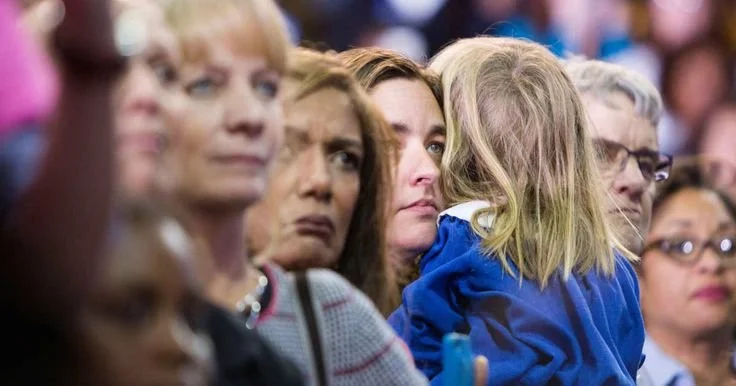
Political events, social polarization, and constant news coverage can create more than casual concern. Many people experience ongoing worry, emotional fatigue, and difficulty focusing due to political anxiety. This type of stress, often called election stress or political anxiety, can impact sleep, mood, relationships, and overall mental health. As a woman of colour, I have first hand experienced the distress resulting from hateful sentiments and far-right ideologies becoming more mainstream. Recognizing political anxiety as a real emotional response is the first step toward managing it effectively.
Understanding Political Anxiety and Its Effects
Political anxiety can feel overwhelming for several reasons. Continuous exposure to news and social media keeps the nervous system on high alert. Politics often intersects with deeply held personal values such as safety, fairness, and justice, making political events feel intensely personal. Feelings of helplessness can arise when issues seem larger than individual influence. Social and community polarization can also add tension to interactions with friends, family, and colleagues. These factors combine to increase both emotional and physical stress.
Practical Strategies for Managing Political Stress
Limit and Curate Your Media Consumption
Reducing how often and how long you check political news can decrease stress. Set specific times of day to catch up on news, avoid doom-scrolling, and focus on reading balanced, reputable sources rather than emotionally charged content. Consider taking intentional breaks from political news to give your mind space to recharge.
Prioritize Self-Care to Reduce Anxiety
Self-care is crucial in managing political anxiety. Maintain regular sleep schedules, balanced nutrition, and physical activity. Mindfulness practices, breathing exercises, and spending time in nature can help calm your nervous system. Engage in hobbies, creative activities, and leisure to bring joy and emotional balance.
Set Boundaries in Political Conversations
Decide when and how to engage in political discussions. Approach conversations with empathy and curiosity rather than trying to win arguments. Step away from discussions that become heated or emotionally draining. Focus on connecting with others through shared values and common goals.
Focus on What You Can Control
Channel your energy into actions where you can make a meaningful impact. Volunteering, local advocacy, and community involvement help reduce feelings of helplessness. Accept that some outcomes are beyond your control and redirect your attention to areas where you can take effective action.
Cognitive Tools to Reground Yourself
Practical cognitive strategies can reduce catastrophic thinking. Consider the worst-case scenario and plan how you or your community could manage it. Focus on what you can influence and let go of what you cannot. Reconnecting with relationships, hobbies, nature, and meaningful work helps anchor your life outside political events.
Seek Support When Needed
If political anxiety interferes with sleep, work, relationships, or overall well-being, professional support can help. Counselling provides a safe space to process emotions, develop coping strategies, and restore balance. Community support groups and peer networks can also offer validation and connection.
Moving Forward: Balancing Political Engagement and Mental Health
Political anxiety is a valid response to a complex and fast-moving world. By setting boundaries, prioritizing self-care, focusing on what you can control, and seeking professional support when necessary, it is possible to stay informed and engaged while maintaining mental and emotional well-being. Small, intentional steps can help you regain balance and resilience during times of political and social stress.
If political anxiety is affecting your life, I can help. I operate from an anti-oppressive and social-justice-oriented approach, while drawing from my lived experience of being part of a marginalized community to support my clients in restoring emotional balance and managing activism burnout.
