
Perinatal Eating Disorders and Disordered Eating
What Happens During Pregnancy and Postpartum
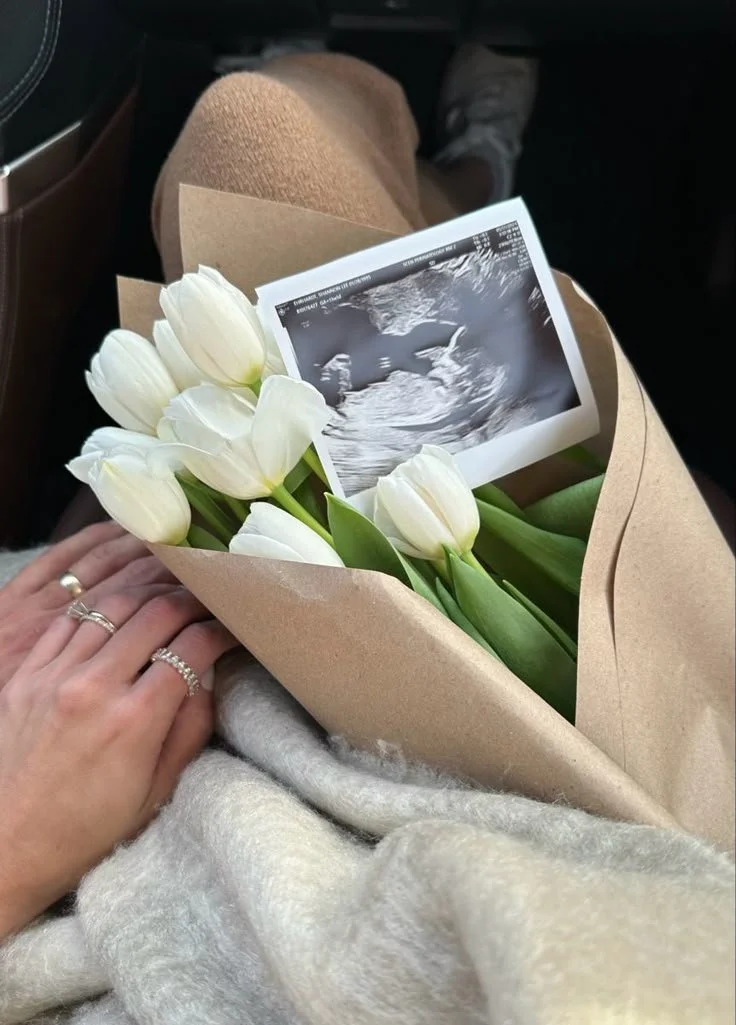
The perinatal period is one of the most physically and emotionally intense phases of life. It involves rapid body changes, shifting identity, hormonal fluctuations, and new relational demands. For many people, this period can also activate or intensify struggles with food, body image, and control.
Eating disorders and disordered eating are more common during pregnancy and postpartum than many realize. They are also frequently missed, minimized, or misunderstood. This article offers a comprehensive overview of what perinatal eating disorders and disordered eating can look like, why symptoms often change during this phase, what the risks are, and what support can help.
This page is intended to be a complete and trustworthy guide for clients, clinicians, and caregivers.
What Does Perinatal Mean and Why Is This Period Unique
Perinatal refers to the time spanning pregnancy and the first year after birth. Some definitions focus on pregnancy through the early postpartum months, while others include the full first year after delivery. In mental health care, the perinatal period is recognized as a time of increased vulnerability due to overlapping biological, psychological, and social changes.
This period is unique because body changes are unavoidable and visible, appetite and hunger cues shift, weight gain is expected and medically monitored, and there is often increased scrutiny from both healthcare providers and society. At the same time, many people experience pressure to feel grateful, calm, and fulfilled, which can make distress harder to name.
For individuals with a history of eating disorders or body image concerns, these changes can be destabilizing. For others, the perinatal period can be the first time disordered eating thoughts or behaviors emerge.
Key points
The perinatal period includes pregnancy and postpartum
It involves rapid physical and emotional changes
These changes can increase vulnerability to eating disorders and disordered eating
What Are Eating Disorders and How Are They Different From Disordered Eating
Eating disorders and disordered eating are related but not the same.
What Is an Eating Disorder
An eating disorder is a diagnosable mental health condition characterized by persistent disturbances in eating behavior, body image, or weight related thoughts that significantly impact physical health, emotional well being, and daily functioning.
Common eating disorders include anorexia nervosa, bulimia nervosa, binge eating disorder, and other specified feeding or eating disorders. These conditions involve patterns such as restriction, binge eating, purging, or intense fear of weight gain.
What Is Disordered Eating
Disordered eating refers to problematic eating behaviors or attitudes that do not meet full diagnostic criteria for an eating disorder but still cause distress or impairment. This can include chronic dieting, rigid food rules, guilt around eating, compulsive exercise, or frequent body checking.
Disordered eating is especially common during pregnancy and postpartum and is often overlooked because it may appear socially acceptable or framed as health conscious behavior.
Key distinctions
Eating disorders are clinical diagnoses
Disordered eating exists on a spectrum
Both can be harmful during pregnancy and postpartum
What Types of Eating Disorders Occur in Pregnancy and Postpartum
Eating Disorders During Pregnancy
During pregnancy, individuals may experience ongoing eating disorders that were present before conception, a relapse of a previously resolved disorder, or the emergence of new disordered eating patterns.
Some people report a temporary decrease in certain behaviors during pregnancy due to concern for fetal health. This improvement is often fragile and does not necessarily reflect recovery. Underlying fears about weight gain and loss of control frequently remain.
Pregnancy related nausea, appetite changes, and medical monitoring remember weight can also complicate existing symptoms and make it harder to distinguish illness related changes from eating disorder behaviors.
Eating Disorders During the Postpartum Period
The postpartum period is often a higher risk time for symptom escalation. After birth, individuals face sleep deprivation, physical recovery, hormonal shifts, and the demands of caring for an infant. There is also increased cultural pressure to return to a pre pregnancy body.
Many people experience a resurgence of restrictive eating, binge eating, or compensatory behaviors during this time. Body dissatisfaction often increases postpartum, even when individuals felt relatively stable during pregnancy.
Key points
Symptoms may decrease temporarily during pregnancy
Postpartum is a high risk period for relapse
New onset disordered eating can occur in both phases
Why Do Symptoms Often Intensify Shift or Resurface
Physical Factors
Pregnancy involves visible body changes, weight gain, and altered hunger cues. For people who rely on control over food or weight to manage anxiety, these changes can feel overwhelming. After birth, rapid changes in body shape and function can further destabilize body image.
Psychological Factors
The perinatal period often brings heightened anxiety, identity shifts, and fear of doing harm. Food and eating can become a way to manage distress or regain a sense of control when other aspects of life feel unpredictable.
Sleep deprivation, hormonal fluctuations, and mood changes can reduce coping capacity and increase vulnerability to rigid or compulsive behaviors.
Social and Cultural Factors
Societal messaging about pregnancy bodies and postpartum recovery can be intense. Comments about weight, appearance, or how someone should look after giving birth can reinforce shame and self surveillance. Many people feel pressure to prioritize the baby while ignoring their own needs.
Key points
Body changes challenge control and identity
Anxiety and loss of routine increase vulnerability
Cultural pressures intensify body scrutiny
What Are the Physical Psychological and Relational Impacts
Physical Impacts
Eating disorders and disordered eating during the perinatal period can lead to nutritional deficiencies, dehydration, electrolyte imbalance, cardiac strain, and complications related to pregnancy or recovery after birth.
Psychological Impacts
Individuals may experience increased anxiety, depression, obsessive thoughts about food or body size, and heightened risk of postpartum mood disorders. Shame and self criticism are often intense.
Relational Impacts
Disordered eating can affect relationships with partners, family members, and healthcare providers. It can also influence feeding decisions and early bonding experiences. Many people fear judgment or intervention, which can lead to secrecy and isolation.
Key points
Impacts extend beyond food and weight
Mental health risks are significant
Relationships and bonding can be affected
What Are the Risks During Pregnancy Versus Postpartum
Risks During Pregnancy
During pregnancy, risks include inadequate nutrition, medical complications, and increased stress on the body. There may also be heightened fear around medical appointments and weight monitoring.
Some individuals experience closer medical oversight during pregnancy, which can be protective but also triggering.
Risks During the Postpartum Period
Postpartum risks often relate to relapse, worsening body dissatisfaction, and the interaction between eating disorders and postpartum depression or anxiety. Reduced medical contact after birth can mean symptoms go unnoticed for longer.
Key points
Pregnancy and postpartum carry different risks
Medical oversight often decreases after birth
Postpartum relapse is common and under recognized
How Do Shame Secrecy and Control Show Up Differently in This Phase
Shame is a central feature of eating disorders and often intensifies during the perinatal period. Many people fear being judged as irresponsible or unfit parents if they disclose their struggles.
Control over food, eating, or body size can feel like the only area of autonomy in a time of intense demand and responsibility. Secrecy may increase due to fear of intervention or stigma.
Understanding these dynamics is essential for compassionate care.
Key points
Shame often prevents disclosure
Control can feel necessary for coping
Secrecy increases risk and isolation
When Do Concerns Become Clinically Significant
Concerns become clinically significant when eating related thoughts or behaviors cause ongoing distress, interfere with daily functioning, impact physical health, or affect engagement in prenatal or postpartum care.
Warning signs can include persistent fear around eating, rigid food rules, binge eating episodes, purging behaviors, avoidance of medical appointments, or preoccupation with weight and shape.
Early support is associated with better outcomes for both parent and baby.
Key points
Distress and impairment matter more than diagnosis
Subthreshold symptoms still carry risk
Early intervention is protective
What Support and Treatment Can Look Like
Support during the perinatal period often works best when it is collaborative and multidisciplinary. This may include medical care, nutritional support, and mental health treatment that is informed by both eating disorder and perinatal mental health expertise.
Therapy can focus on reducing shame, increasing flexibility around food and body image, and supporting identity changes related to pregnancy and parenthood. Compassionate screening and open conversations with healthcare providers are crucial.
Recovery is possible during pregnancy and postpartum with appropriate support.
Key points
Integrated care improves outcomes
Compassionate screening is essential
Recovery can happen in this phase
Frequently Asked Questions
Can pregnancy cure an eating disorder
Pregnancy does not cure an eating disorder. Some behaviors may decrease temporarily, but underlying issues often remain and can return postpartum.
What if I never had an eating disorder before
The perinatal period can trigger new disordered eating even without a prior history.
When should I seek help
If eating or body concerns are causing distress, affecting health, or interfering with care, support is recommended.
Is recovery possible while pregnant or postpartum
Yes. With appropriate care, recovery and improved well being are possible during and after pregnancy.
Final Takeaways
Perinatal eating disorders and disordered eating are common and often hidden
Pregnancy and postpartum create unique vulnerabilities
Both eating disorders and subclinical disordered eating can impact health and relationships
Early, compassionate, and informed support makes a meaningful difference
About Moha and Eating Disorder Counselling
Hi, I’m Moha. I am a trauma-informed therapist who specializes in working with eating disorders and body image. We live in a world that is saturated with messages about what our bodies are supposed to look like. We are told that if we look a certain way, we can finally be “enough”. As someone with lived experience of an eating disorder, I know all too well that it is never just about food; rather it is about wanting to feel loved and safe, wanting to control something in an otherwise chaotic world, or wanting to finally feel like you are enough.
Before I was a therapist, I volunteered at the Looking Glass Foundation for Eating Disorders. Here, I directly connected with individuals of all ages, backgrounds, and sexual orientations, and learned that while our journeys may look different, our core struggles remain the need. We all want to feel seen and secure. Whether you’re wanting to make peace with food, finally giving up on dieting, or learning to accept yourself as you are, I promise to take this path together with you. From someone who has been there, recovery is possible.
I also acknowledge that we live in a fatphobic world. Intersecting identities and systems of oppression can make it even more challenging to focus on recovery for folks of colour who are in larger bodies. Together, we will equip you with tools to take care of yourself, and continue to live your life to the fullest. I operate from a Health-At-Every-Size, fat-positive, and body-neutral lens.
I offer a free 15-minute consultation to answer any questions about my process and to see if we might be a good fit!
