
How Perinatal Eating Disorders Can Affect Bonding and Attachment
Bonding with a baby is often portrayed as immediate and instinctive. For many people, the reality is more complex. When eating disorders or disordered eating are present during pregnancy or postpartum, bonding and attachment can be affected in subtle but meaningful ways.
This does not mean someone is a bad parent. It means their nervous system is under strain.
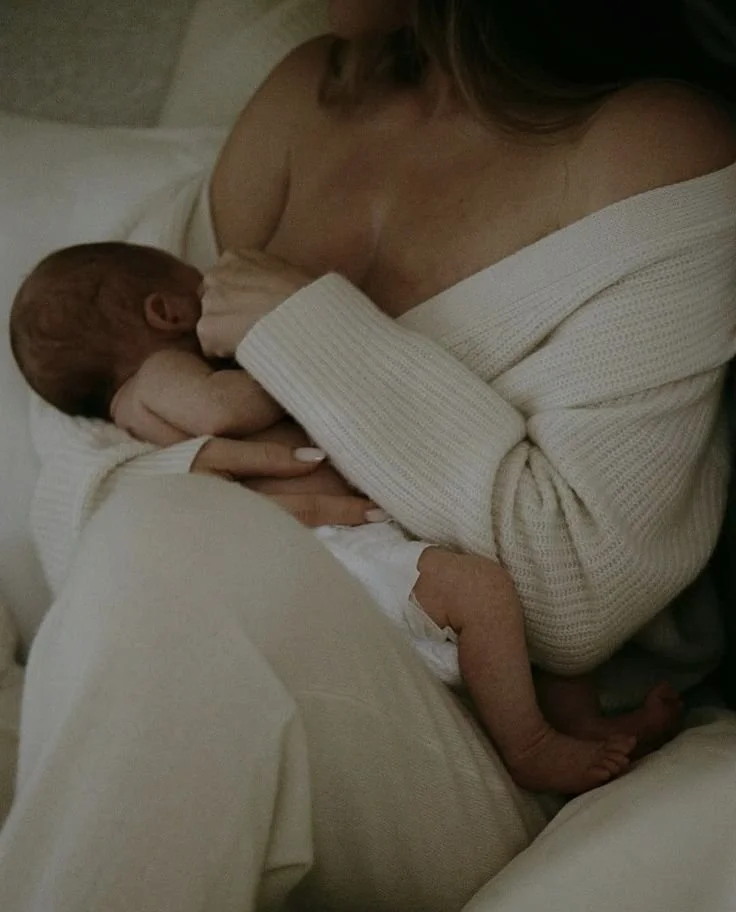
Bonding Is a Nervous System Process
Bonding relies on safety, presence, and emotional availability. Eating disorders can disrupt these processes by consuming mental energy and increasing anxiety.
When thoughts about food, body, or control are constant, it can be harder to feel grounded and emotionally present. This can affect how someone experiences early connection with their baby.
How Eating Disorders Can Interfere With Presence
Preoccupation with eating rules, guilt, or fear can pull attention inward. Moments of feeding, holding, or soothing a baby may be accompanied by intrusive thoughts or self criticism.
Some people describe feeling physically present but emotionally distant. Others feel overwhelmed by shame for not feeling the way they think they should.
These experiences are more common than often acknowledged.
Feeding Can Become a Trigger
For some, feeding the baby can activate eating disorder related fears. Breastfeeding may bring up concerns about calories, body autonomy, or adequacy. Bottle feeding can raise anxiety about control or judgment.
When feeding becomes charged, it can increase stress rather than connection. This does not reflect lack of care. It reflects unresolved fear.
The Impact of Untreated Symptoms
When eating disorders remain untreated, stress can accumulate over time. This may contribute to postpartum depression, anxiety, or difficulties in emotional regulation.
Long term, this can influence how safe and supported a parent feels in their role. Early support can interrupt this pattern.
Repair Is Always Possible
Bonding is not a one time event. Attachment develops through repeated experiences of care and repair.
When eating disorder symptoms are addressed, many parents find that connection becomes easier and more natural. Support can help reduce shame, increase emotional availability, and strengthen confidence.
A Compassionate Reminder
Struggling with eating or body image during pregnancy or postpartum does not mean you are failing your baby. It means you are human in a demanding transition.
Support for eating disorders is also support for bonding. Caring for yourself is part of caring for your child.
About Moha and Eating Disorder Counselling
Hi, I’m Moha. I am a trauma-informed therapist who specializes in working with eating disorders and body image. We live in a world that is saturated with messages about what our bodies are supposed to look like. We are told that if we look a certain way, we can finally be “enough”. As someone with lived experience of an eating disorder, I know all too well that it is never just about food; rather it is about wanting to feel loved and safe, wanting to control something in an otherwise chaotic world, or wanting to finally feel like you are enough.
Before I was a therapist, I volunteered at the Looking Glass Foundation for Eating Disorders. Here, I directly connected with individuals of all ages, backgrounds, and sexual orientations, and learned that while our journeys may look different, our core struggles remain the need. We all want to feel seen and secure. Whether you’re wanting to make peace with food, finally giving up on dieting, or learning to accept yourself as you are, I promise to take this path together with you. From someone who has been there, recovery is possible.
I also acknowledge that we live in a fatphobic world. Intersecting identities and systems of oppression can make it even more challenging to focus on recovery for folks of colour who are in larger bodies. Together, we will equip you with tools to take care of yourself, and continue to live your life to the fullest. I operate from a Health-At-Every-Size, fat-positive, and body-neutral lens.
I offer a free 15-minute consultation to answer any questions about my process and to see if we might be a good fit!
